
Why experiences are the new luxury
For most of the last century, luxury had a simple formula: a recognisable logo, a scarce object, a price tag high enough to signal that you'd arrived. That formula is breaking down in real time, and the data behind it is no longer a soft cultural observation — it's a hard reallocation of money. Bain & Company's spring 2026 Luxury Goods Worldwide Market Study found that consumer sentiment toward experiences is outgrowing tangible goods by 1.5x this year, describing it as "a structural and cultural shift from ownership to lived moments" rather than a temporary dip in handbag demand.

The numbers behind the shift
The scale of this reallocation is the story marketers should be paying attention to, not the vibes around it:
Personal luxury goods — handbags, watches, jewellery, ready-to-wear — are projected to grow just 1-4% in 2026, while luxury experiences such as hospitality, cruises, and fine dining are outpacing that growth in what Bain-Altagamma explicitly calls a "tectonic shift" away from traditional goods and toward moments.
Global luxury spending reached €1,443 billion in 2025, and the growth engine inside that figure has visibly rotated: spending on travel, events, and dining has now surpassed demand for classic status symbols among affluent consumers globally.
The pool of people this applies to is also narrowing and intensifying at the top. The total number of global luxury shoppers has contracted from roughly 400 million in 2022 to about 340 million in 2026, largely because aspirational buyers have been priced out — while a "Big Spender" cohort making up less than 5% of the customer base now contributes nearly 40% of total luxury revenue. That cohort is precisely the one demanding "money can't buy" access over acquisition.
The signal underneath all of this is consistent: the luxury consumer with real spending power isn't buying less. They're buying differently, and logos are a shrinking part of what they're paying for.
Quiet logos, loud experiences
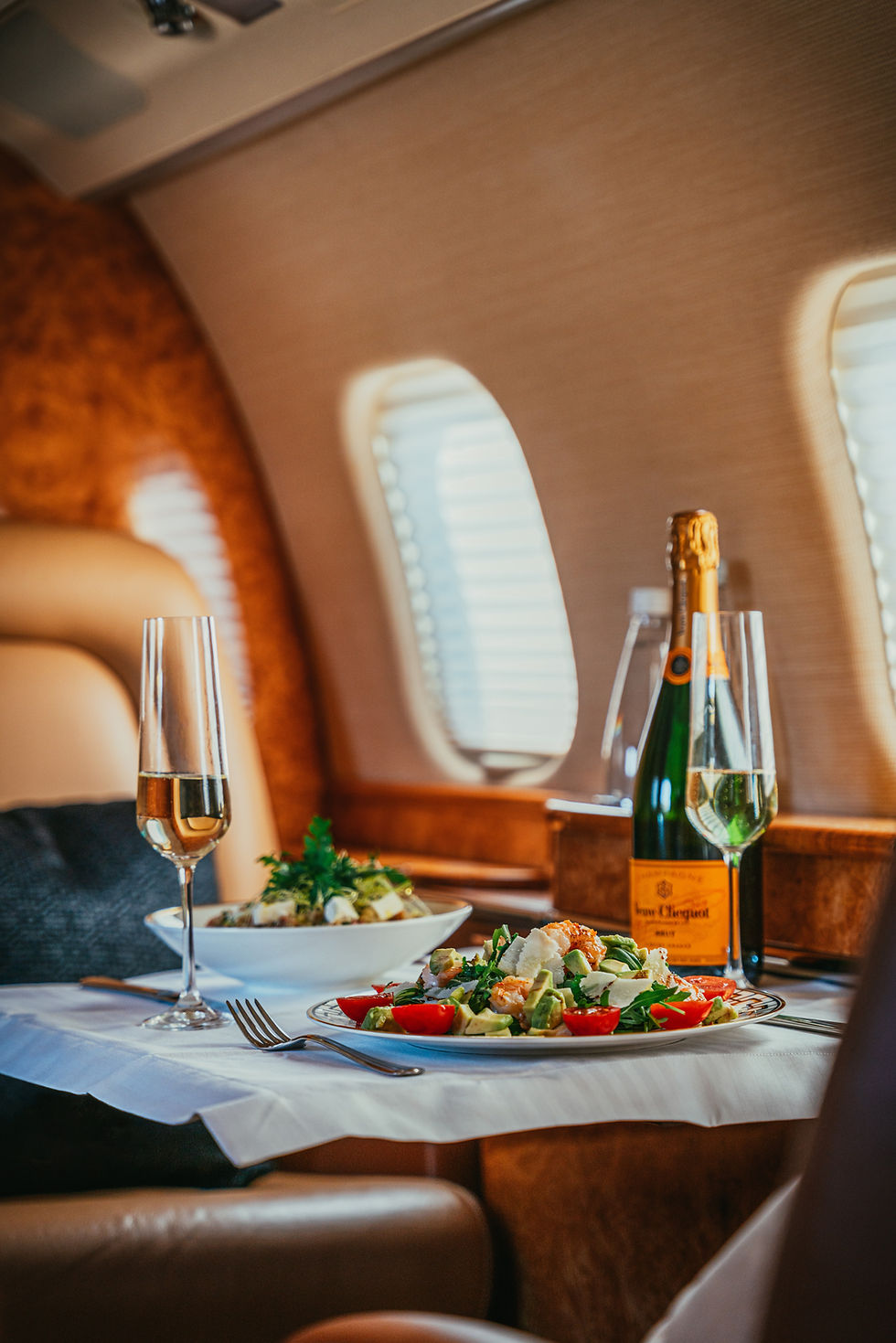
Two trends that look unrelated on the surface — the death of the visible logo and the rise of experiential spending — are actually the same trend, viewed from two sides. Recent luxury retail analysis describes 2026 as dominated by "Quiet Luxury" — an aesthetic characterised by 'stealth wealth,' craftsmanship, and a deliberate absence of conspicuous logos, running in parallel with the shift toward experiential spending on travel, wellness, and fine dining as consumers prioritise what McKinsey has termed "transformation over transaction."
Once a logo stops doing the job of signalling status, something else has to do that work instead — and increasingly, that something is a story the buyer can tell, not an object they can display. A quiet cashmere sweater with no visible branding and a private, hard-to-book dining experience are answering the same psychological brief: proving access and taste to a much smaller, much more informed audience than a visible monogram ever could.
Why the younger luxury buyer is accelerating this, not causing it
It's tempting to file this shift under "Gen Z wants experiences, not stuff" — but the data suggests something more specific and more useful for brand strategy. Millennials and Gen Z are projected to make up roughly 45% of the luxury retail market by the end of 2025, rising toward an estimated 75% of luxury buyers by 2026 according to some industry trend analyses. Critically, more than half of Gen Z shoppers say they'll purchase from a brand they love based on emotional connection built over time — not from a single acquisitive purchase, which is a fundamentally different loyalty mechanism than the aspirational logo-purchase model luxury brands optimised for over the past thirty years.
This generational shift has become a demand accelerant. The Big Spender data above shows high-net-worth buyers of every generation moving in the same direction. What younger luxury consumers are doing is arriving already fluent in a version of luxury built around access and connection, rather than having to be persuaded out of the logo-first model that older cohorts grew up inside.

What this means for brand and agency strategy
1. The campaign brief needs a new success metric. A logo-first strategy optimises for visibility and recognition. An experience-first strategy has to optimise for something harder to fake: whether the person who went through it has a genuine story to tell afterward. That's a creative and operational brief, not just a media-buying one.
2. Access is the new exclusivity mechanic. Where luxury once manufactured scarcity through limited production runs and waitlists for objects, the more durable version of scarcity now is genuine access — a dinner that can't be booked twice the same way, a stay that can't be replicated, a relationship with the brand that deepens over repeat encounters rather than repeat purchases.
3. Retail is becoming a media channel in its own right. As physical spaces convert into "destinations," the flagship store stops being simply a point of sale and starts functioning as content generation, PR event, and brand experience simultaneously — which changes what agencies should be measuring from retail investment.
4. Quiet branding requires louder storytelling elsewhere. Removing the visible logo doesn't reduce the need for brand communication — it relocates it. When the product no longer signals status on its own, the story around the craftsmanship, the access, and the experience has to carry weight the logo used to carry, which is precisely where PR, content, and earned media step in to do work advertising alone can't.
5. The shrinking, higher-spending buyer pool changes who campaigns should be built for. With the aspirational middle priced out and a small "Big Spender" cohort driving a disproportionate share of revenue, campaigns built for broad aspirational reach are increasingly misaligned with where the actual money now sits. Deeper, higher-touch relationship marketing to a smaller base outperforms broad-reach logo advertising for this segment.
The bottom line for clients
The luxury industry isn't shrinking — it's reorganising around a different definition of status. A visible logo signalled that you could afford the thing. A genuinely inaccessible experience signals something the logo never could: that you have the time, relationships, and taste to get access that money alone doesn't automatically buy. Brands and agencies that keep optimising for logo visibility are chasing a signal luxury's most valuable consumers have already stopped reading. The ones building genuine access, craftsmanship storytelling, and experiential depth are the ones the data says are actually winning this cycle.
Want to get your story in at the right time, in the right place? Contact us at hello@theblendedagency.co for a strategic consultation.


Comments